With the growing popularity of home hockey, choose the best synthetic ice becomes essential for effective training. Not all surfaces are created equal. Here are the key criteria for making the right choice.
1. Material quality: HDPE = the benchmark
The best surfaces are made of High-density polyethylene (HDPE), offering:
-
smooth glide
-
high durability
-
low friction
-
impact resistance
Avoid low-end standard plastic panels: they wear out quickly and do not allow for good gliding.
2. The thickness and dimensions of the panels
The thicker a panel is, the more it will be:
-
stable
-
durable
-
efficient
For heavy-duty or commercial use, high-density HDPE panels are recommended.
3. The type of training desired
-
Home hockey training : small shooting ranges or stickhandling
-
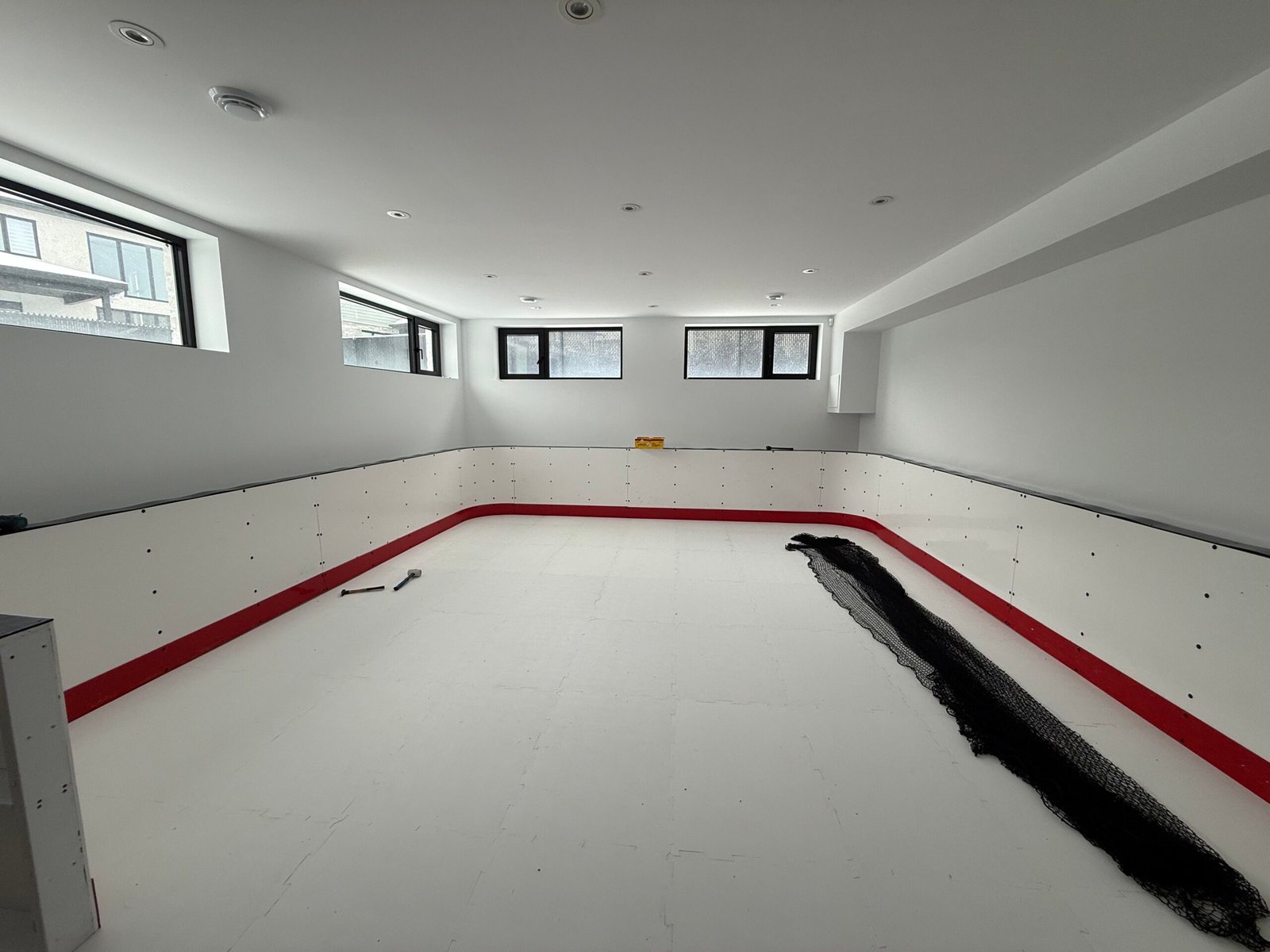
Indoor ice rink : basement, garage, loft
-
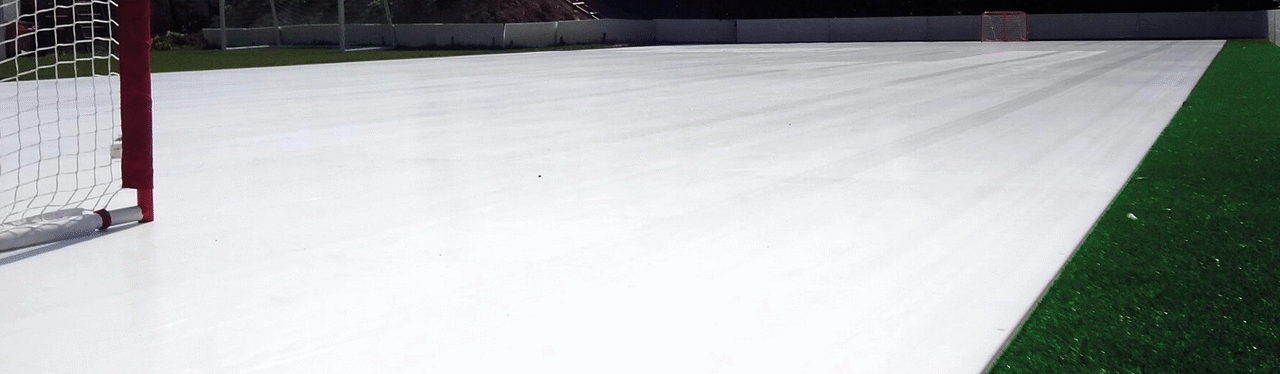
Outdoor ice rink : backyard or schoolyard
-
Training Center : large commercial ice rinks
4. Hockey boards and accessories
For a complete experience, add:
-
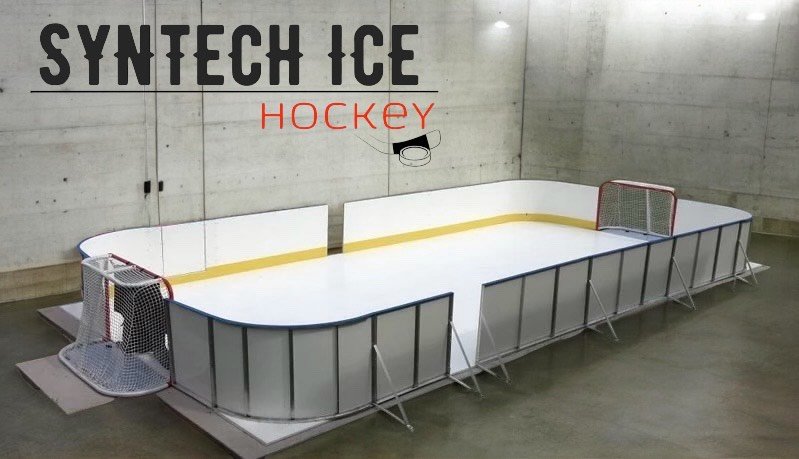
HDPE hockey boards
-
rink boards HDPE
-
stop nets
-
side protections
-
shooting targets
5. Interior vs. Exterior
A outdoor ice rink requires UV-resistant panels. Indoor installations, on the other hand, benefit from even more stable gliding and less maintenance.
Conclusion
The best synthetic ice is the one that combines premium HDPE, good thickness, stability, suitable accessories and professional installation.
For a motivated player, a good surface can literally transform his level of play.